Scholars Program
The Tech & Public Policy (TPP) scholars program provides McCourt School students with mentorship opportunities with leading practitioners shaping the future of tech policy.
Scholars will receive a partial-tuition scholarship of up to $35,000 toward tuition expenses for each of the two academic years of the program, a paid research assistantship to work with TPP Faculty Grantees, access to special events, discussions and mentorship through the Tech & Public Policy Center.
Fall 2026 Scholars Cohort
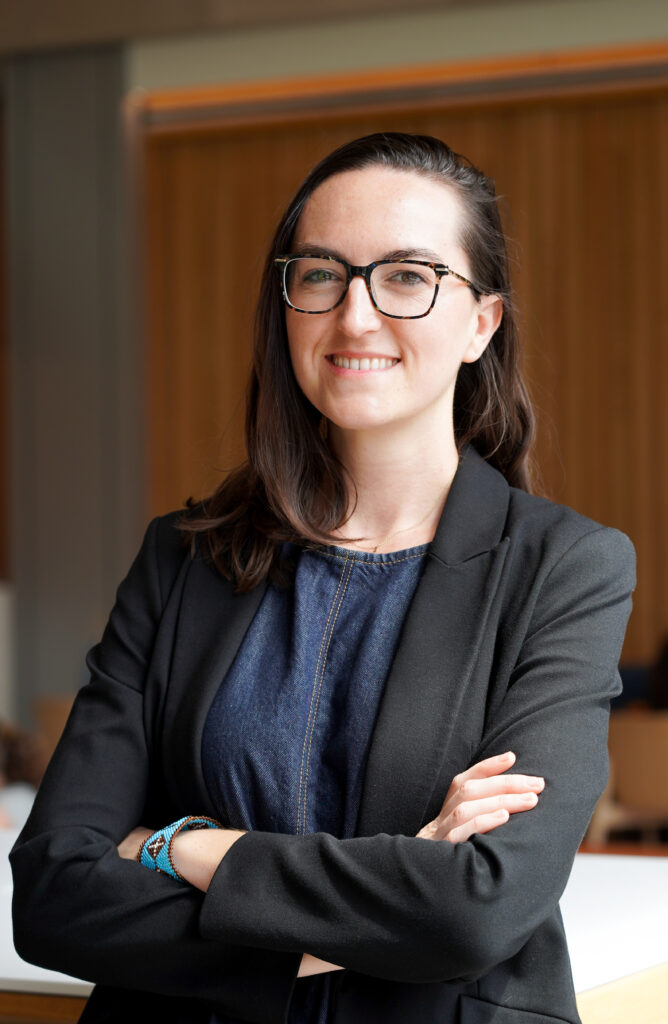
Hannah Blair
MPP’27
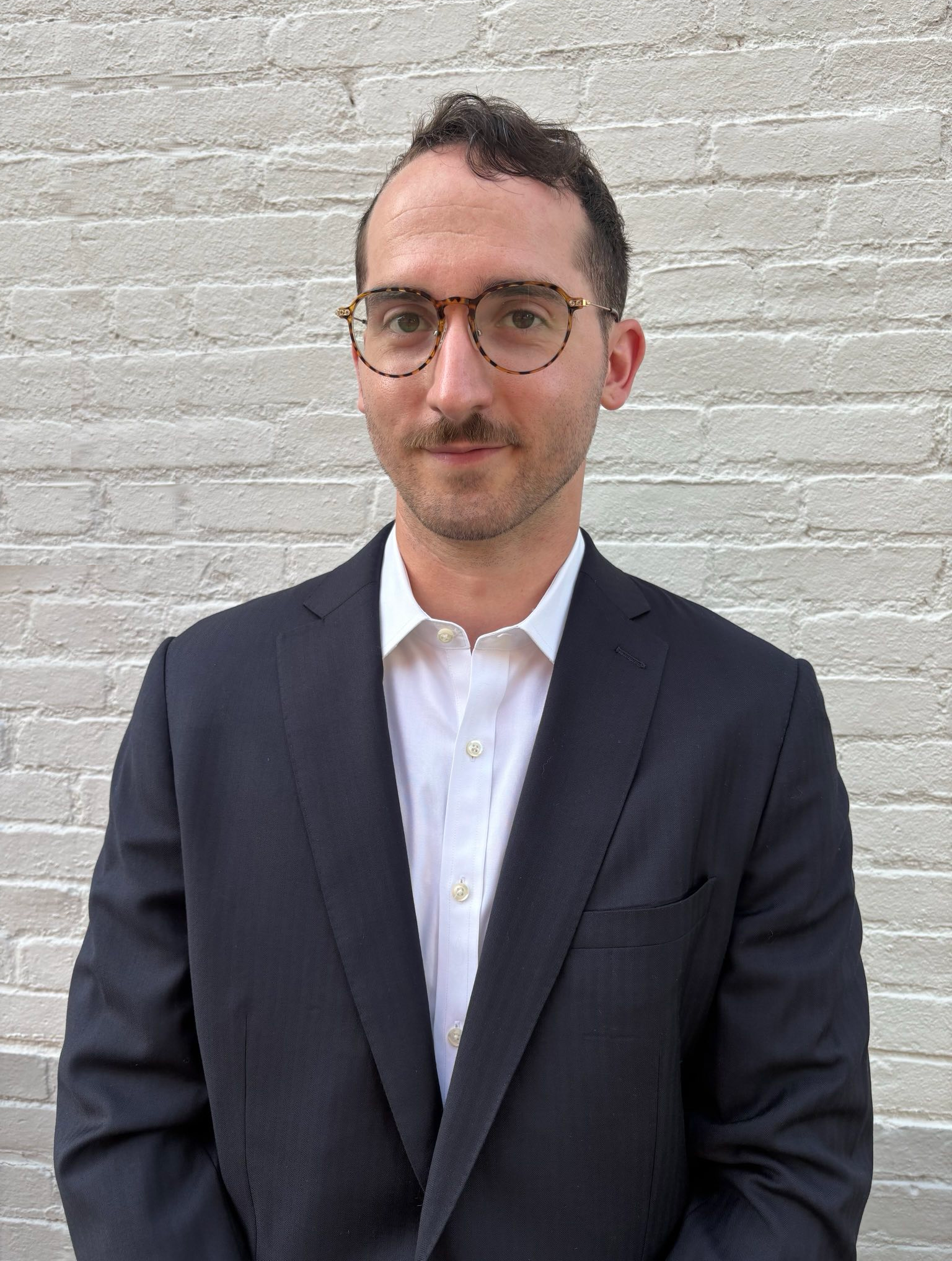
Max Morgan
MPP’27
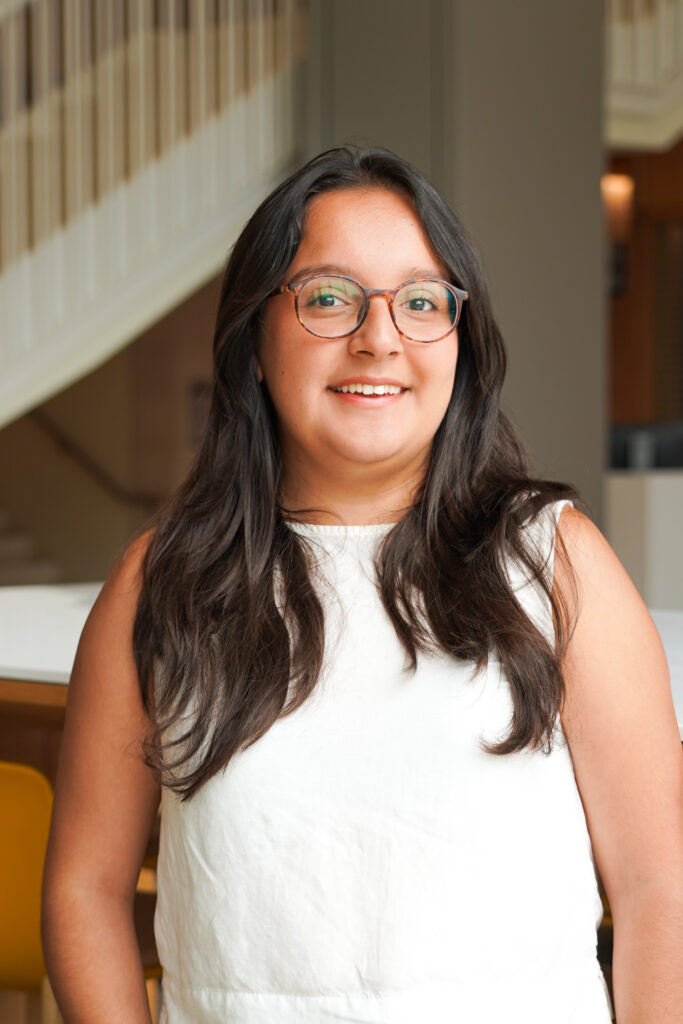
Emili Robles
MS-DSPP’28

Gregory Shelby
MPP’27
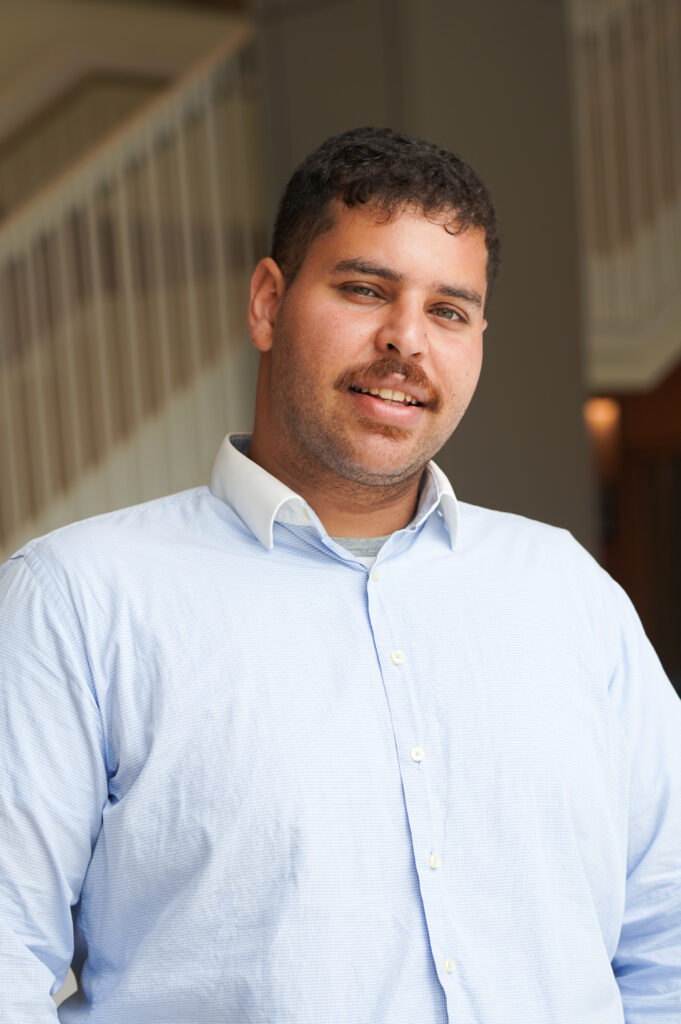
Amr Yakout
MPP’27
Scholars program
About the scholars program
- Eligible applicants include all prospective students applying to one of the McCourt School of Public Policy’s four graduate programs (MPP, MPM, MIDP and MS-DSPP)) for the academic year 2026-2027, as well as current students who will be enrolled in one of those programs over the same period.
- Both domestic and international students are eligible to apply.
- Awarded students will demonstrate an interest the following areas of tech & public policy: Social Media & Online Platforms, Digital governance & Agentic AI, and Tech Regulation
- Awarded students will receive scholarships of up to $35,000 which may be applied toward AY 2026-27 and 2027-28 course credits.
- Awarded students will be matched to full-academic year research assistantships with select Georgetown faculty, expecting to work 10-20 hours per week at an hourly rate of $23.00 (approximate dates: September 2026 to May 2027). TPP does not cover or extend research assistantships into the summer.
- To remain eligible for the award, scholars must be in good academic standing and enrolled in courses at Georgetown during the fall and spring semesters. If scholars choose to study abroad during the academic year, they will forfeit both their scholarship and research assistantship. This policy does not apply to the summer term.
Depending on the specific research assistantship, scholars will support the faculty or research teams on a range of projects related to examining and advancing human-centered policy solutions to challenges posed by current and future technologies. Necessary skills include:
- Technical software skills including proficiency with Microsoft Office (Excel, Word, and PowerPoint) and preference for familiarity with Stata, R, and/or Python.
- Knowledge and experience with the U.S. and/or international public policy process and government institutions.
- Passion for pressing issues in technology and public policy, such as
- mitigating harms on social media and online platforms, advancing digital governance and the responsible deployment of agentic AI, creating tech regulation that balances innovation and public interest.
- Experience managing research, including tracking and reporting. Ability to work well within a team environment.
- Experience in quantitative and qualitative research and analysis, relevant to projects such as compiling literature reviews, retrieving and analyzing data and assisting with data visualization.
- Exceptional writing skills, interpersonal skills and verbal communication skills.
- Excellent project management and organizational skills.
Scholars are expected to engage in the following:
- Attend at least one TPP Event per semester.
- Monthly check-ins with the TPP director and program manager to provide updates on research progress, milestones, and other relevant activities. This may be done electronically, in-person or virtual depending on availability.
- Participate in scholar cohort lunches.
Applications for the 2026–2027 academic year are closed.
Applications for the 2026-2027 academic year are now closed. Applications for the 2027-2028 academic year will open in Feb. 2027.
Frequently asked questions
No, we are not accepting applications from undergraduate students at this time. This program is only open to graduate students at the McCourt School.
Both domestic and international students are eligible to apply
Yes, part-time students can apply for the program. Part-time students will be expected to manage their job, schoolwork, and their research assistant (RA) position (up to 20 hours a week).
Sunaina Kathpalia (MS-DSPP’25): Sunaina is working with Assistant Professor in Computational Social Science and TPP Grantee, Tiago Ventura, on developing an account using the WhatsApp Official API that allows us to connect and recruit participants for the deactivation experiments.
Matt Steinberg (MPP’26) and Santiago Vidal Calvo (MPP’25) are working with Associate Teaching Professor Lia Merivaki on a major data collection project titled The 2024 Election Officials Communications Tracker, which is funded by Public Agenda and aims to research how election officials communicate with voters about elections within social media platforms. The research team monitors and analyzes communications shared by state and local election officials on social media.
CJ Larkin (MPP’26): CJ is working with Adjunct Professor and TPP Grantee, Emily Tavoulareas, on her United States Digital Service Founding, Primary Source Archive project, assisting with synthesizing 50 qualitative interviews and identifying key patterns. Additionally, CJ has been contributing to Tech Policy Press, a nonprofit media platform focused on covering tech policy issues. There, CJ has supported the tracking of relevant policies by researching legislation, regulations and legal cases, while also developing summaries and timelines for the policy tracker. CJ has also identified research, papers and other resources to help readers better understand the policies. As part of this work, CJ published an article with the outlet, which you can view here.
Please reach out to Maria Sanchez, TPP Associate Director, ms5271@georgetown.edu for any additional questions or concerns.