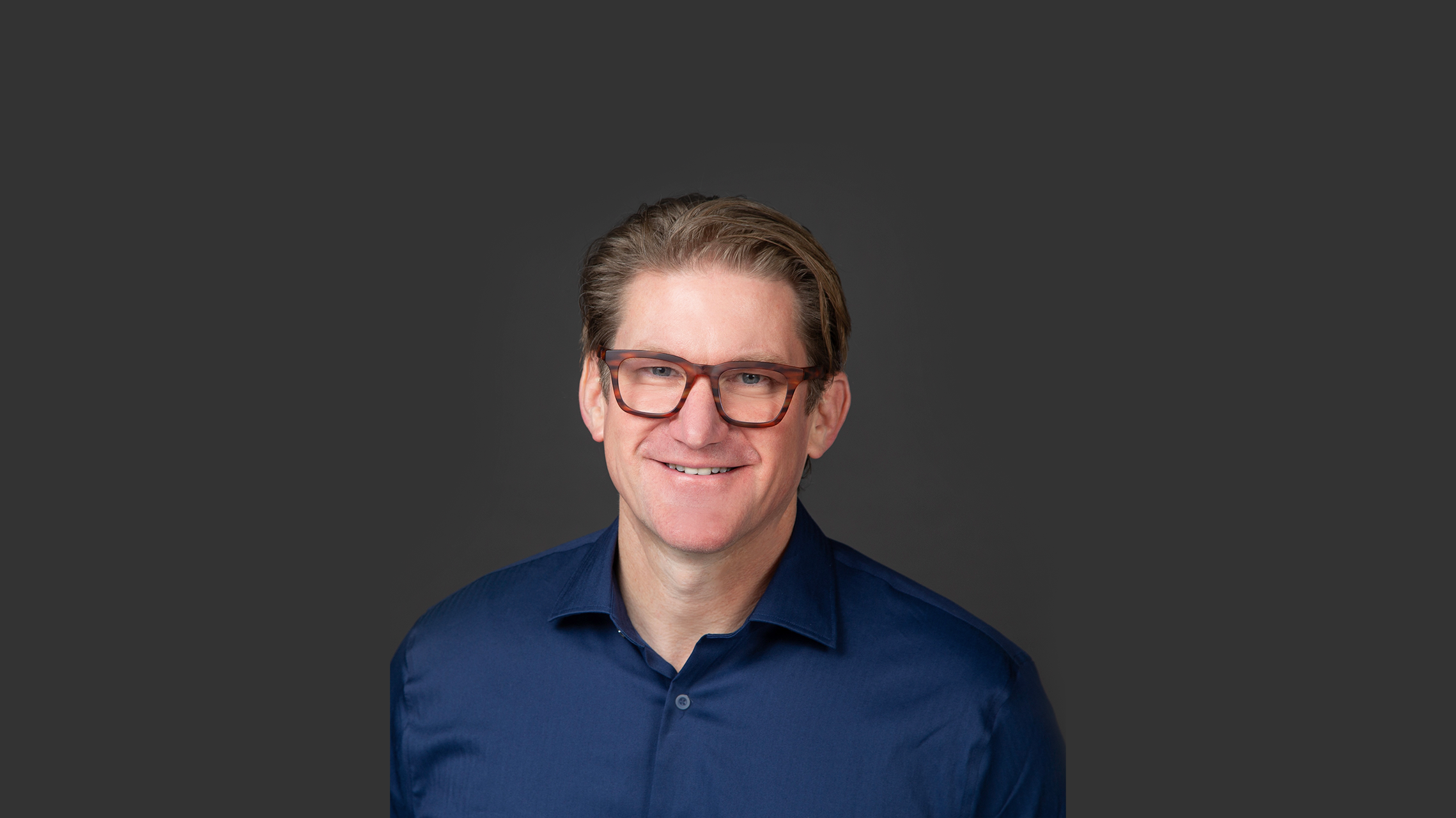
Executive Master’s in Policy Leadership student Dr. Wade Swenson is building his public policy expertise to improve rural healthcare access.
It was not one defining moment that led Dr. Wade Swenson (EMPL’26) to rural health policy advocacy, but an accumulation of life-changing diagnoses and patient stories.
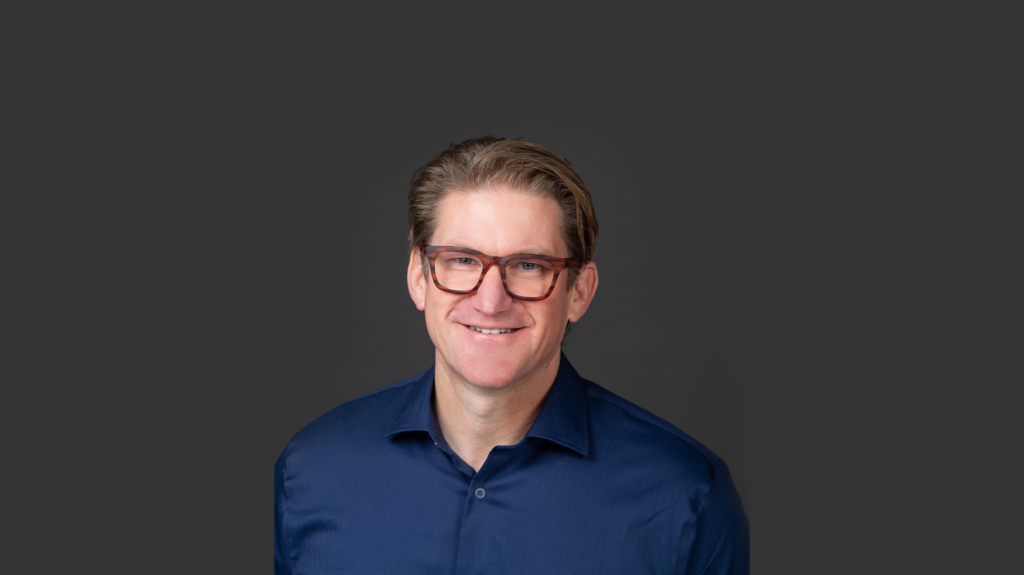
As an oncologist and hematologist, he earned his medical degree from the University of North Dakota before training at large medical centers, where resources and specialists were readily available for patients. Then, Swenson began working as the medical director at Lakewood Health System, a rural clinic in Minnesota.
His patients were driving one or two hours each way for chemotherapy. Others simply couldn’t make the trip and delayed their treatment. Swenson began to take note of how geography silently acted as a form of triage, determining who received care and who did not. In rural oncology, he found, the work wasn’t just clinical — it also meant rebuilding confidence in patients who felt the system wasn’t built for them.
“That reality was unacceptable to me,” says Swenson. “Once you see the human impact up close, advocacy no longer feels optional. It becomes a responsibility.”
But the gap, he says, goes deeper than distance. It lives in the decisions patients make before they ever walk through his door. A woman who delayed a mammogram for two years because taking a day off meant losing income she couldn’t replace. Patients who apologize to him for “bothering” a specialist with their cancer diagnosis.
“There’s a kind of internalized scarcity that rural patients carry — a sense that the healthcare system isn’t really built for them,” says Swenson. “And they’re not wrong. My clinic is evidence that it can be built for them. But that evidence is still too rare.”
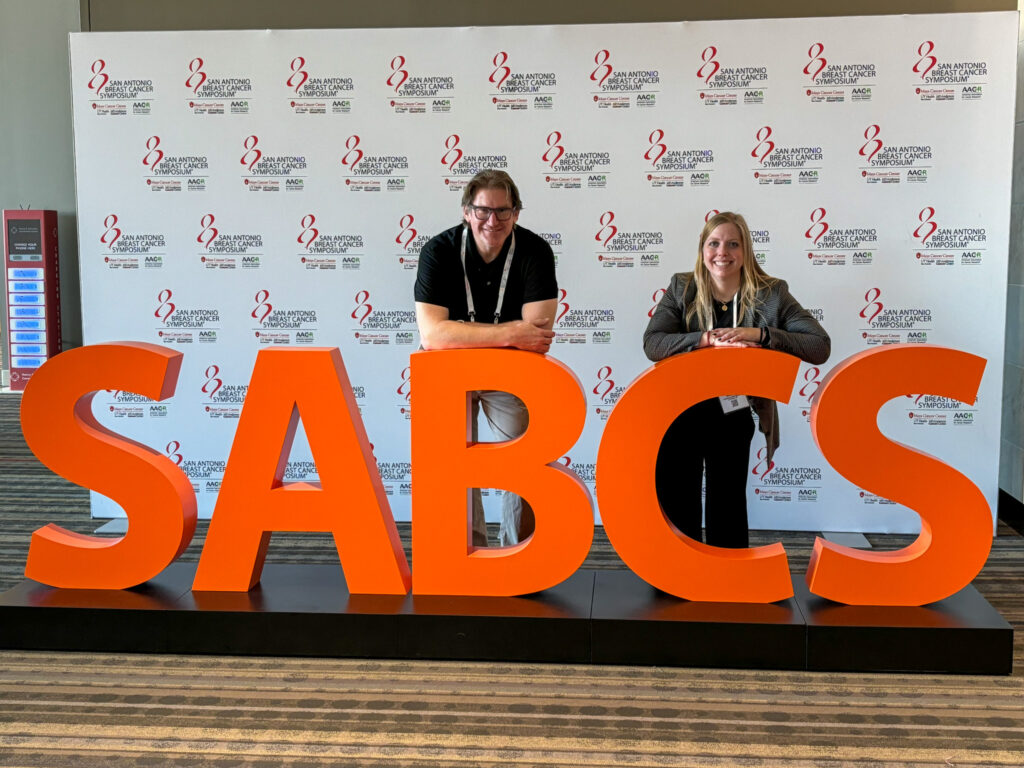
In rural oncology, he found, the work goes beyond clinical care. It means rebuilding confidence in every encounter for patients who already felt the system had failed them.
“A cancer diagnosis brings existential fear and forces people to rely on strangers for life-or-death decisions,” he says. “Broader declines in trust toward institutions make this even harder, especially in rural areas, where patients already feel the system isn’t built for them. Restoring that trust, one relationship at a time, is what keeps me doing this work.”
In addition to being the medical director of the Minnesota-based clinic, Swenson founded the Rural Cancer Institute, a non-profit based in Minnesota focused on raising awareness of rural cancer care disparities throughout the country. The organization also promotes research, policy and best practices to close the rural cancer treatment gap.
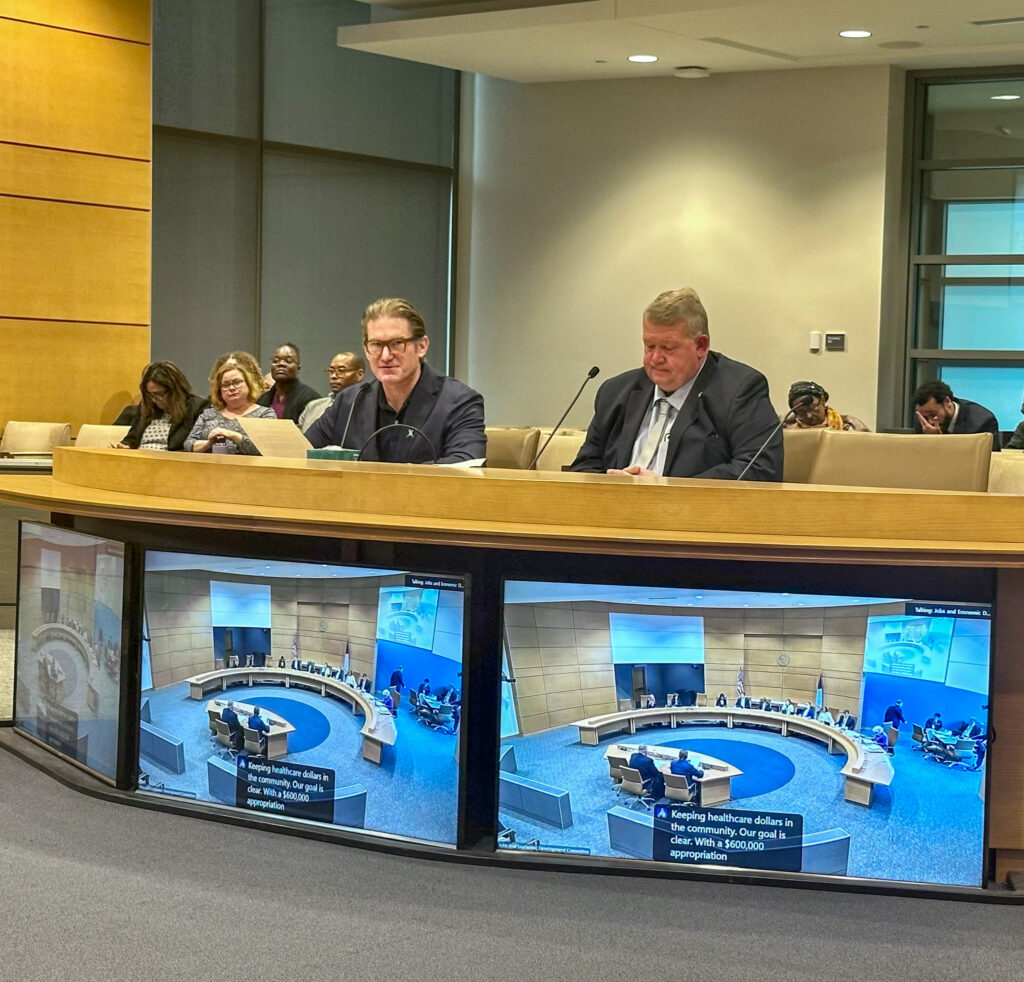
Swenson’s advocacy eventually brought him to speak before legislative committees, health organizations and policy publications, and he realized he needed a better understanding of how policy takes shape.
Blending deep healthcare expertise with public policy
That realization led Swenson to the Executive Master’s in Policy Leadership (EMPL) program at Georgetown’s McCourt School of Public Policy. What drew him in was the program’s design for practitioners already doing consequential work to drive policy change. Swenson, a Presidential Leadership Scholar who also holds an MPH and MBA, knew that in order to lead better outcomes for rural healthcare patients, he needed to reach beyond his medical expertise.
“I wasn’t looking for another credential,” he says. “What I was looking for was a different kind of room to be in.”
Inside the program, Swenson has strengthened his breadth of experience in public policy strategy and analysis through the program’s faculty and cohort.
“The McCourt faculty are genuinely world-class,” he says. “These are individuals who have operated at the highest levels of policy and governance, bringing firsthand experience from the rooms where decisions are actually made.”
Equally impactful for Swenson has been working alongside his cohort — senior leaders from across industries, sectors and roles, whose perspectives consistently challenged his assumptions and sharpened his thinking in ways he hadn’t anticipated.
Now, months away from graduation, Swenson is focused on what comes next, continuing to shape better policy for rural healthcare. The Rural Cancer Institute exists, he says, “because a small team of people in rural Minnesota decided that geography should not determine whether someone survives cancer.”
That conviction is now driving his policy ambitions — shaping Medicaid reforms, advancing telehealth parity and securing sustainable funding for rural cancer screening and treatment programs, so that every rural American receives quality cancer care, regardless of where they live.