
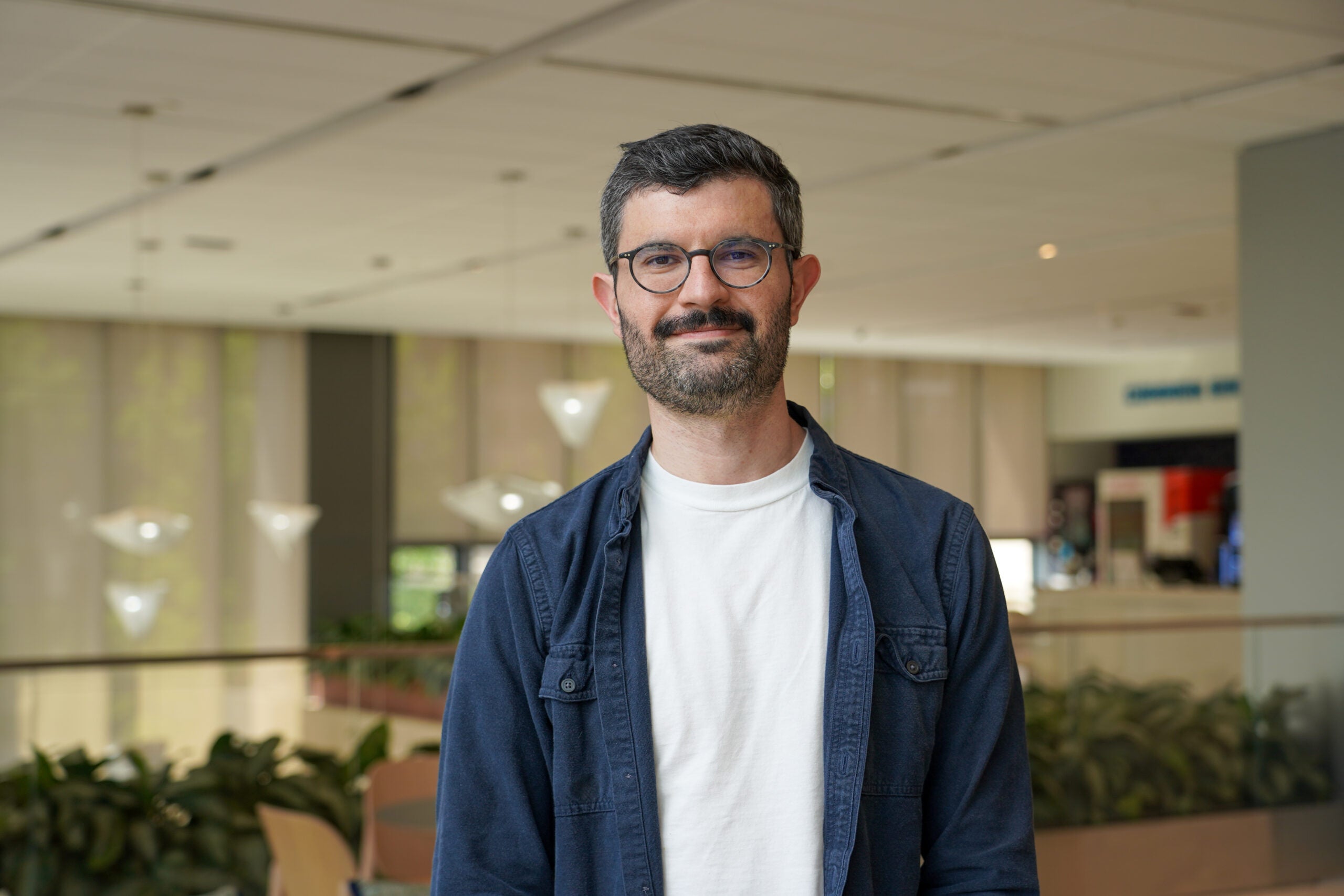
Policy Impacts Tableside: A McCourt Alum’s Journey to Strengthen the Restaurant Industry
This story was written by Ian Jones as part of the McCourt School’s annual alumni magazine, Policy Perspectives.
Managing a restaurant through COVID led Eric Jeffay (MPP’23) to seek new ways to support the industry.
The pandemic changed everything. Three months into his post as the general manager of Chef Aaron Silverman’s Michelin-starred Pineapple and Pearls, Eric Jeffay (MPP’23) found himself presiding over an array of entirely new and unexpected challenges.
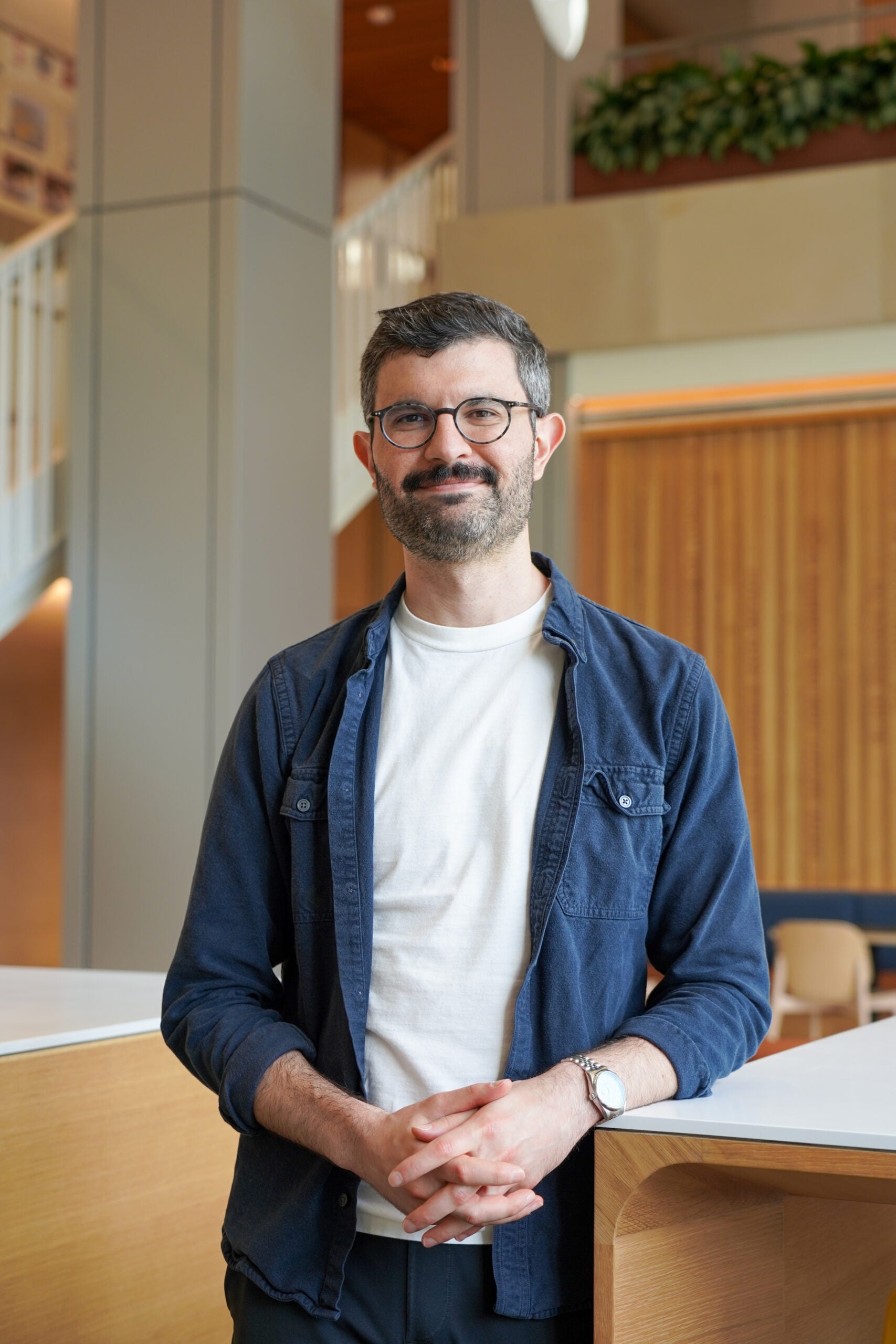
Pandemic policy impacts drove Eric Jeffay (MPP’23) to seek his McCourt degree.
“It was incredibly tough — navigating the Restaurant Relief Fund and Paycheck Protection Program loans, trying to get my staff resources, whether through unemployment or delivering them the food from the restaurant before it spoiled. We had to lay off temporarily, and then we hired back our full staff within six months,” he said.
After the uniquely taxing challenges of the pre-vaccine COVID-19 period, Jeffay decided to move temporarily into the world of restaurant technology. It was a move that stuck. A love of restaurant work had motivated him to work his way up from a teen cutting potatoes in a restaurant basement to a culinary school degree to becoming general manager at Somni, the intimate, Michelin-starred fine-dining experience nestled within Chef Jose Andres’ The Bazaar in Beverly Hills. Now, he would serve the industry in a different way at the tech company MarginEdge.
Using technology to support the tough work of running restaurants continues a throughline from his earliest days in the business: “I really do fundamentally love the people who work in restaurants. I believe they’re some of the hardest working people in the world, who don’t get their due,” he said. “We make their lives easier.”
The restaurant management software covers a range of back-of-house tasks, whether that’s simplifying the inventory process, making recipes easier to access, giving employees actionable ways to control costs or increasing profit and tying it back to the employees when possible.
“It’s maybe not as sexy as taking care of staff and being a GM, but really, I think it’s even more impactful,” he said. Ten thousand restaurants use the MarginEdge technology. Jeffay’s best endorsement: He wished he’d had it when he was a general manager.

A life in the kitchen informs Eric Jeffay’s tech work.
Jeffay has held several positions at MarginEdge, actively seeking out mentors inside the company to help him learn the industry more deeply. But he also sees his 12 years working his way up in the restaurant business as a differentiator: He know the people the technology is serving and understands their daily challenges firsthand.
“I think it lets us have a conversation on a bit of a different level. We understand what it’s like to do inventory at 2:00 a.m.”
In his current position as senior product manager at MarginEdge, Jeffay makes good use of proficiencies in strategic negotiation, interpersonal skills and quantitative analysis he developed at the McCourt School.
“What I really took away from McCourt more than anything is how to identify a population, come up with a hypothesis and test that, and then see if the policy you’re implementing is having tis intended effect,” he said. “That’s a framework for how I can measure success in helping restaurants. I want to try to have as big of an impact as possible.”
Seeing the crisis-response outcomes of Chef Andres’ World Central Kitchen and managing a restaurant through the early days of the pandemic showed him how much policy affects the industry.
“That’s what really galvanized me — I saw the challenges every day. I’ve always had an interest in politics and policy, but feeling their effect firsthand during COVID … my original idea was to be a voice for restaurants and learn more about policy to be that voice,” he said.
Jeffay managed a full-time courseload at McCourt at night while working full time, often seeing MarginEdge’s data science team use the very techniques he was learning in class. “I got to, in real time, learn about all of these things McCourt teaches you and put them into place — literally every day — the next day when I would come into work.”