Curriculum
In the Joint Program in Public Policy (JPPP), you’ll combine Georgetown’s renowned liberal arts curriculum with McCourt’s specialized policy training — developing the analytical frameworks, professional skills and hands-on experience that define effective policymakers. All of it grounded in Washington, DC, at the center of the policy world.
First Two Years
The Joint Program in Public Policy (JPPP) begins with holistic training in the liberal arts — in educating the whole person. In your first two years, you will build the foundation for your academic future on Georgetown’s Hilltop campus completing core curriculum requirements. The College of Arts & Sciences’ core curriculum cultivates the intellectual skills of perception, analysis, interpretation and expression, which sustain a life of curiosity, creativity and responsiveness to the needs of both individuals and communities.
During your first two years, students intending to enroll in the Joint Program in Public Policy (JPPP) will be required to complete How Public Policy Works (PPOL 2000), a 3-credit gateway course available to all undergraduates and offered on the Hilltop campus.
How Public Policy Works (PPOL 2000), is a 3-credit gateway course available to all Georgetown undergraduates offered on the Hilltop campus. In this course, you will be introduced to a range of contemporary public policy problems and the analytical frameworks and methodological tools used to design and evaluate solutions. The gateway course bridges the core liberal arts curriculum of your first two years with the specialized interdisciplinary frameworks of McCourt’s policy instruction.
Public Policy Gateway Course
Description
How Public Policy Works (PPOL 2000) is a foundational course for students interested in how public policy is made, who makes it, and how it shapes the world around us. Students will explore how different stakeholders define problems, how society collectively acts to solve them, and how we can best evaluate and consequently adapt public policies with an equity lens. Students will learn how to interpret policy discourse and research on critical issues — from climate change and health care, to immigration, voting and artificial intelligence technology — and guest speakers from the field will lead simulations on how to engage in the policy process.
Previous speakers have covered a range of real-world challenges and policy responses, including Distinguished University Professor E.J. Dionne on universal voting; Associate Professor and Deputy Assistant Secretary for Policy Development at HUD Brian McCabe on housing affordability and eviction; Professor Judy Feder on the Affordable Care Act; and Scott K. Ginsburg Professor of Urban Law and Policy Sheila Foster on cities and climate.
Requirements
How Public Policy Works (PPOL2000) is currently open to all undergraduates across Georgetown University interested in learning more about public policy. PPOL2000 fulfills a social sciences core requirement for students in the College of Arts and Sciences and an elective credit toward the Government major or minor , and complements other programs of study across the University — from foreign service and government to business, economics and sociology, among others. PPOL2000 is a required course for all students who wish to graduate with the A.B. in Public Policy.
Major Curriculum Requirements
In your Junior and Senior years, JPPP students will have the unique opportunity to study on Georgetown’s Capitol Campus, completing courses focused on the interdisciplinary tools required to define policy problems. Once at McCourt, you will receive an education emphasizing critical thinking and analytically rigorous quantitative skills.
A.B. in Public Policy majors are required to complete an additional 10 courses. You will be required to complete four required courses, two method and skills courses, three elective courses (drawn from the elective course clusters) and one experiential course.
Required courses
- PPOL 3000 Introduction to Statistics and Data Analysis
- PPOL 3001 Economics for Public Policy
- PPOL 3002 Political Analysis for Public Policy
- PPOL 3003 Policy Implementation
Elective course clusters
- Environment, Energy and Climate Change
- International Development
- Political Strategy and Governance
- Social Policy
Experiential course
To connect learning in the classroom with real world policy, students will be required to enroll in either: a (i) 4-credit internship seminar or (ii) 3-credit policy lab. These experiential courses expose students to local, federal, state or international agencies as well as non-governmental organizations engaged in designing and/or implementing policy solutions.
Research skills
A key part of your undergraduate education in public policy is learning how to conduct rigorous, data-driven research and write actionable policy briefs. Our core curriculum equips you with the skills to analyze complex data, synthesize evidence and present your findings through clear, compelling and objective public policy writing. This ability is vital for anyone pursuing a career in public administration, data analysis or advocacy, and is integral to our mission of preparing the next generation of effective, ethical policy professionals.
Integrated writing component
An essential component of Georgetown’s curriculum is its focus on integrating writing across its courses. Our curriculum includes assignments that build the skill of writing through policy memos, blogs, student reflections and op-eds as well as longer written pieces such as policy analyses and argumentative essays. At McCourt, you will have practice in a variety of policy-oriented research methods and strategic communication skills ready to be translated to real world policy work.
Amplify your impact
Explore opportunities that make the Joint Program in Public Policy unique with our applied data science minor, accelerated masters and campus experience to build a degree that prepares you for success.
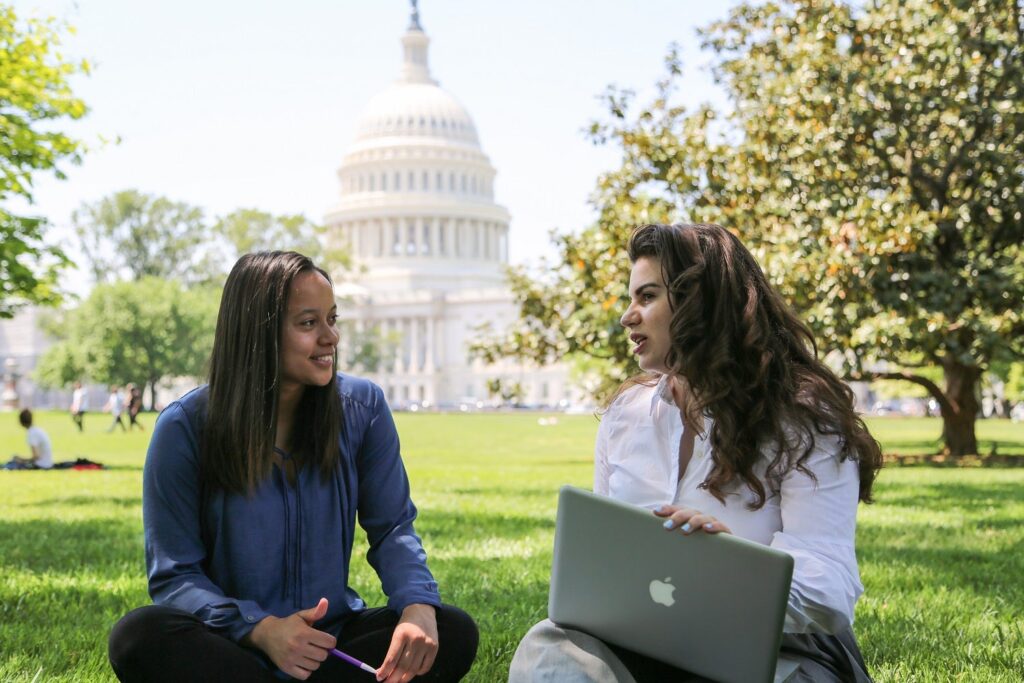
Two Campuses
Public policy students have the unique opportunity to live and study on two campuses. In this sense, public policy students will have the best of both worlds: the residential small college experience and the urban university experience.
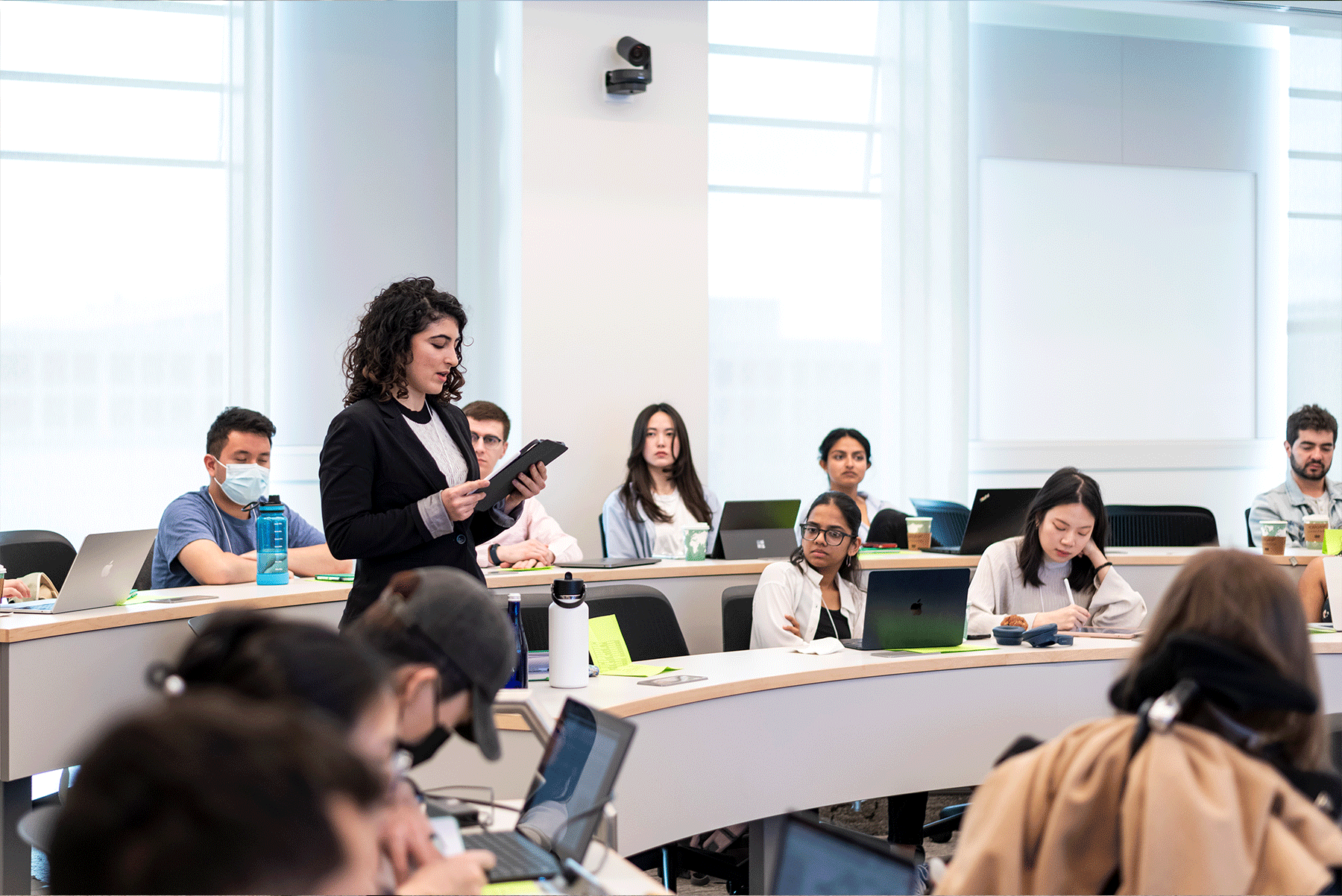
Minor in Applied Data Science
Designed for undergraduates looking to merge substantive domain knowledge with cutting-edge analytical tools, the program provides core statistical knowledge, algorithmic thinking and hands-on experience with real-world data science projects.

Accelerated Masters
Bridge the gap between undergraduate study and professional mastery. Our five-year BA/MPP offers an affordable, seamless path to becoming an expert in policy design and implementation.