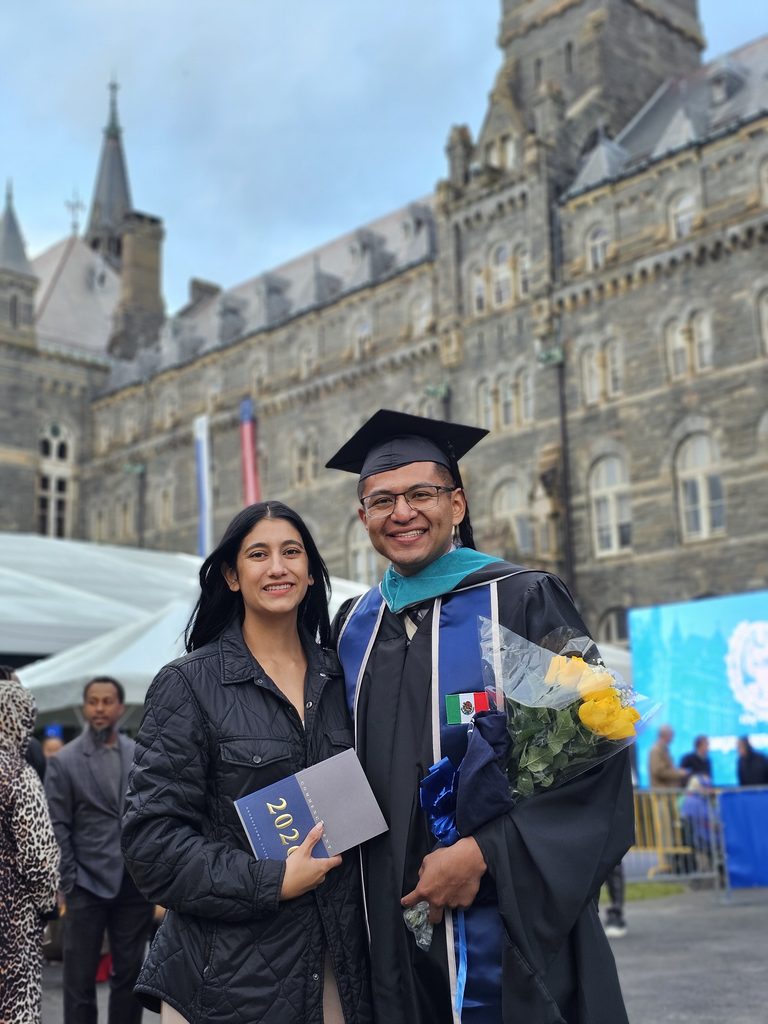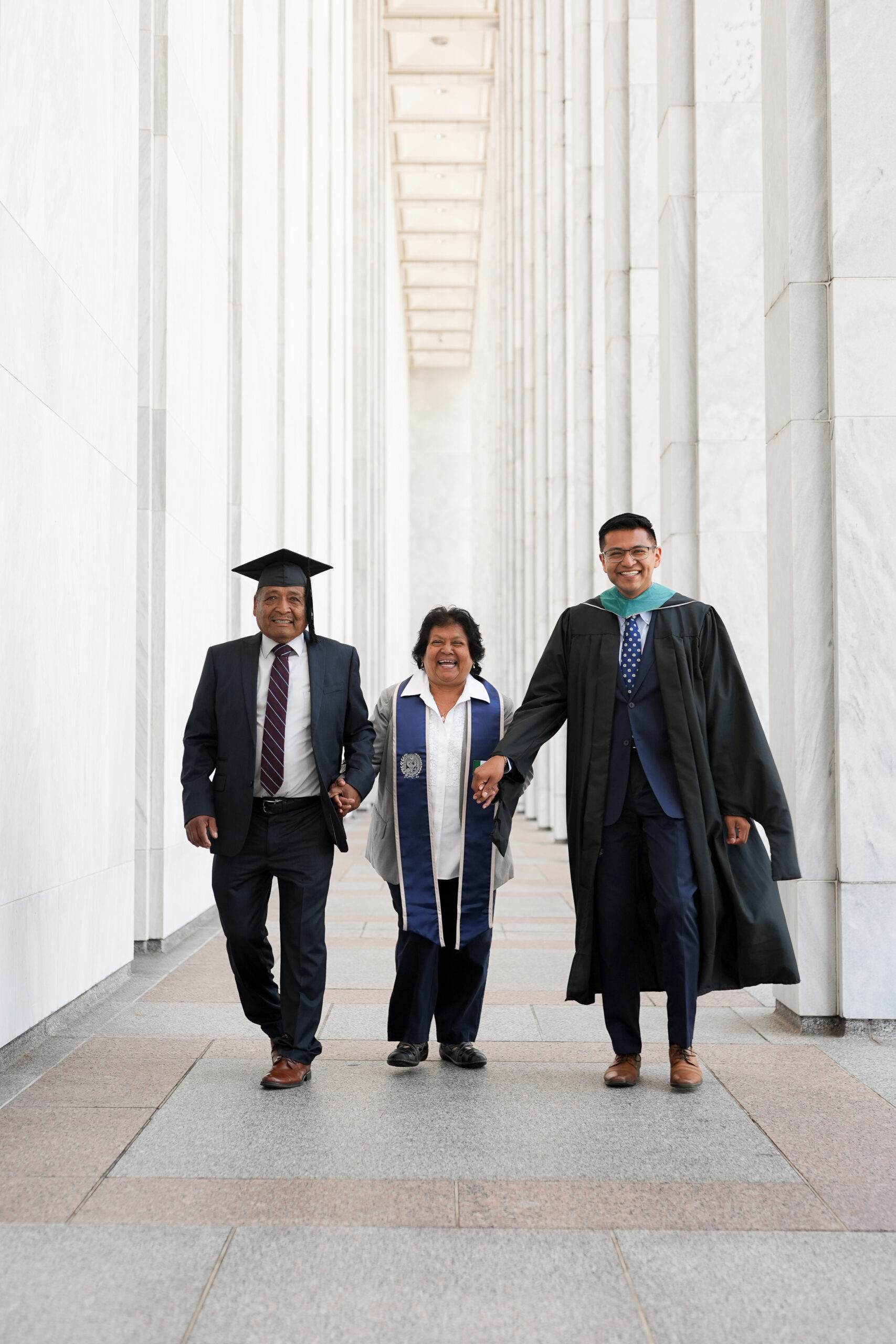
McCourt alum Eduardo Ramos (MPM’26) shares how his family legacy shaped his path to the McCourt School and into public service.
Eduardo Ramos describes himself as “the proud son of two Oaxaqueños, Manuel and Maria, who woke up every day before sunrise” to give their children opportunities they never had.
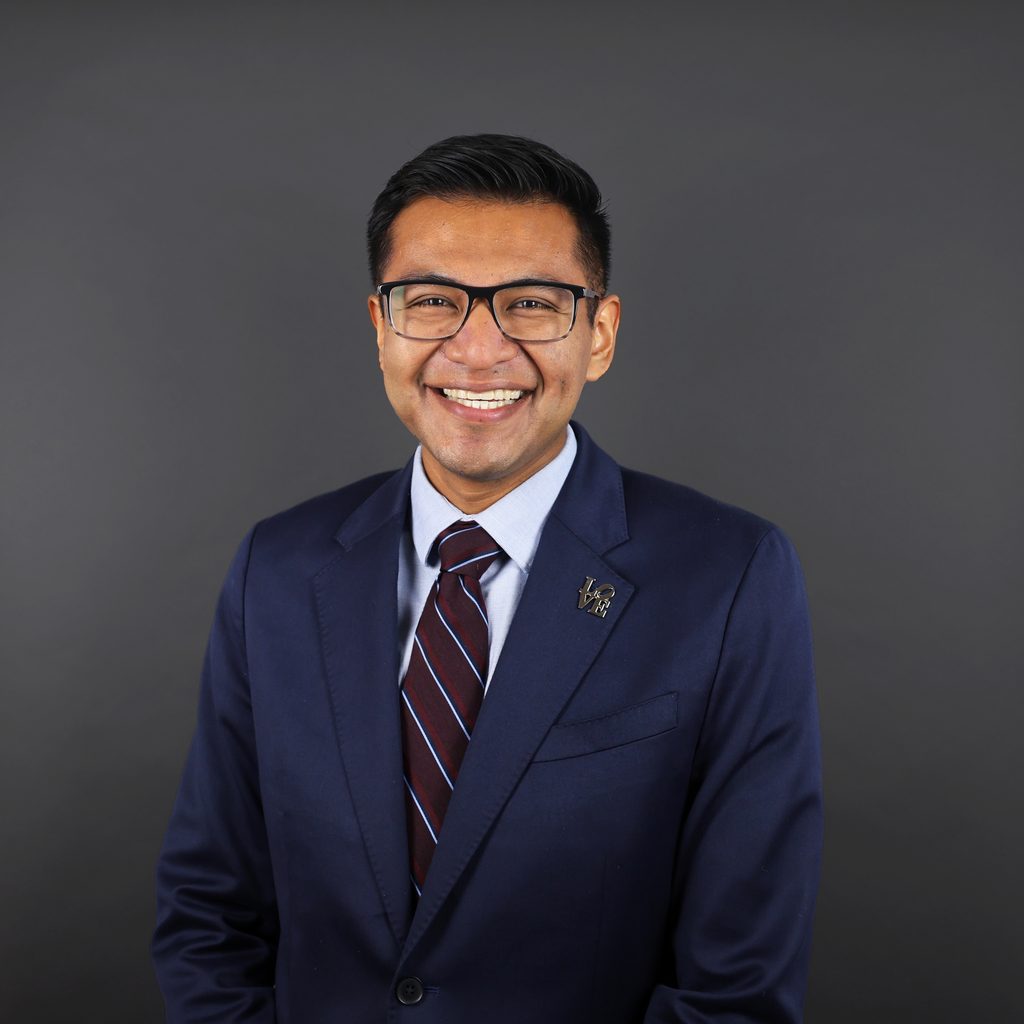
Growing up in Washington State, where his parents worked as farmworkers, Ramos saw his family home double as a community hub. Family and neighbors came to Manuel and Maria for advice, support, or just a familiar, welcoming space.
“I grew up observing the life-changing impact of collectivism,” Ramos says. From the community at home to his family’s history, his curiosity about public service grew into a sense of duty.
His career has taken him from advising and city management roles on the West Coast to a political appointee position at the local level, across the country to Washington, DC, and now Philadelphia, where he most recently served as an economic competitiveness fellow at the Chamber of Commerce for Greater Philadelphia.
In this role, Ramos worked to develop a more unified approach to workforce development in partnership with Philadelphia Works. He also conducted community engagement across Philadelphia, gaining firsthand insight into how underinvestment in public transportation reinforces systemic barriers.
Growing and finding community at McCourt
Ramos came to McCourt at a moment when he’d grown disillusioned by the state of policy and politics, struggling, as he puts it, to “offer hope and solutions” to the people around him. A desire to think bigger, and to learn beyond the frameworks he already knew, led him to the Master of Public Management program.
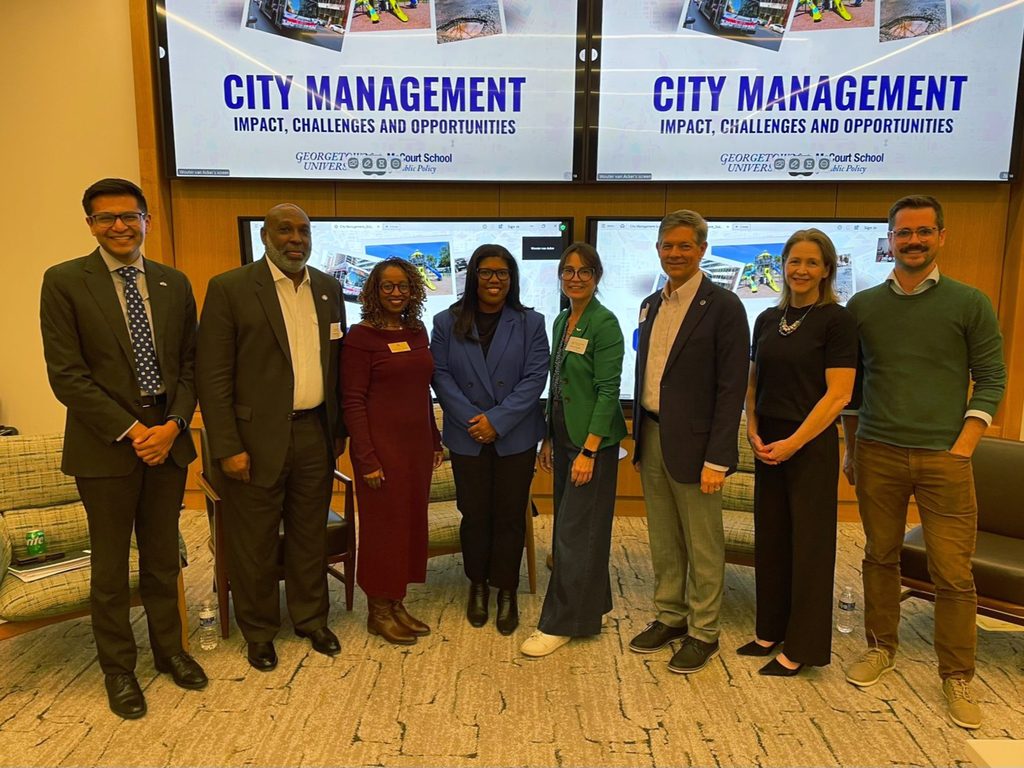
“I wanted to challenge myself to think more broadly, remain curious and become a more dynamic leader,” he says of his decision to come to McCourt.
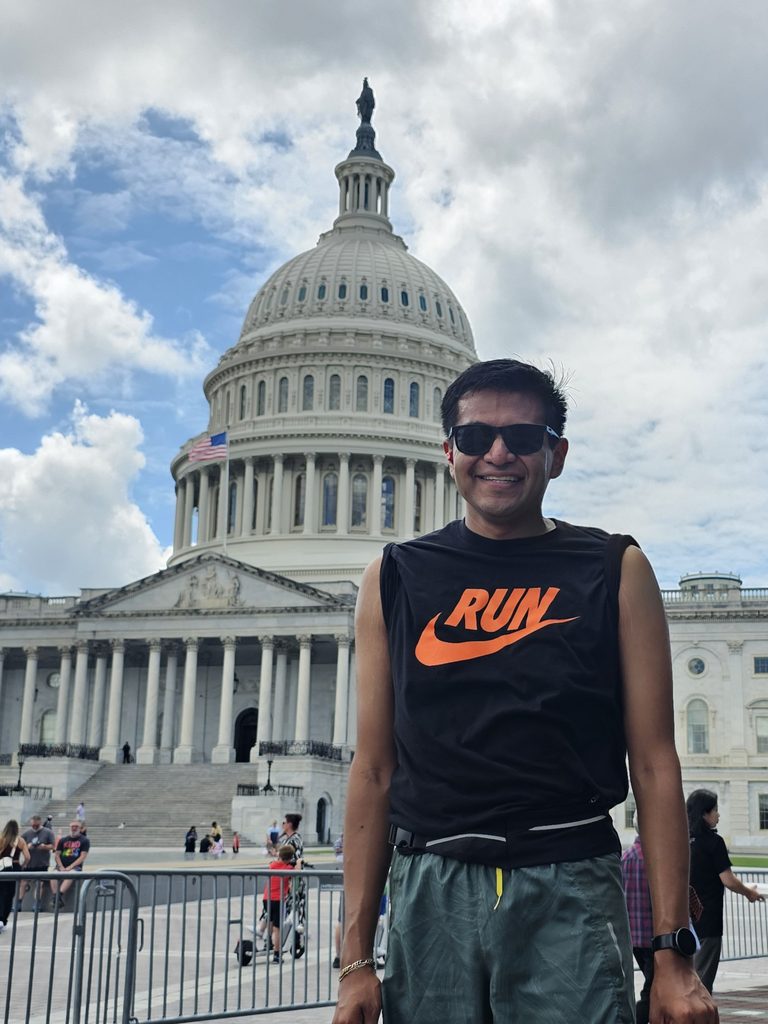
The school’s location, steps from Capitol Hill, was an opportunity he describes as one he “couldn’t pass up,” cherishing each jog past the U.S. Capitol.
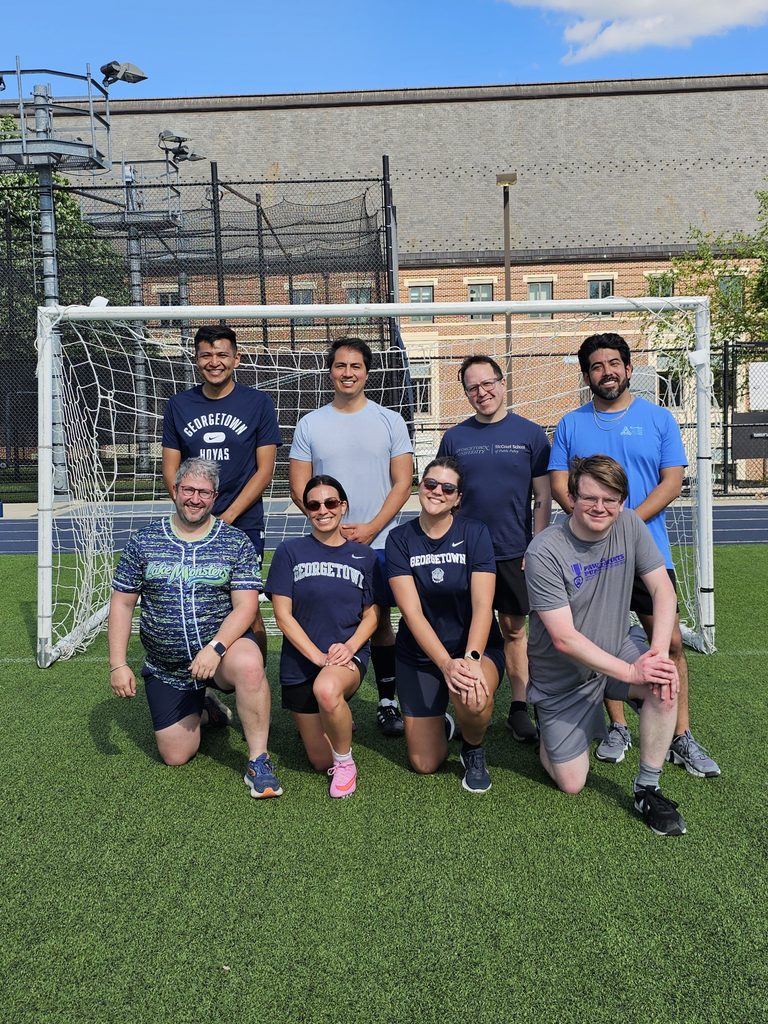
“I felt reenergized by being surrounded by folks at McCourt who are thinking big and still believe in a more prosperous future,” Ramos says. “It rekindled the fiery spirit that had brought me to public service.”
The program also better equipped him to turn policy into effective programs and outcomes. Beyond the research and evaluation techniques he gained in the classroom, Ramos credits McCourt with exposing him to how people and institutions operate in communities beyond the one he calls home.
Empowering and connecting Latino youth
His belief in community led him to Latino Leadership Northwest, a nonprofit organization that grew from an annual youth conference in his home state.
The organization aims to empower the next generation of Latino leaders through education, leadership development, workforce development, housing advocacy and community engagement.
As a board member, Ramos helps guide programming for youth. “My story is not so different from those of the families and youth we serve,” he says. “As the son of farmworkers, I have relied on people who believe in me and invest in my growth. Serving in this role is my way of uplifting the next generation.”
A generational legacy of service
That sense of purpose traces back to his parents, Manuel and Maria, or, as Ramos calls them, “mamá y papá.”
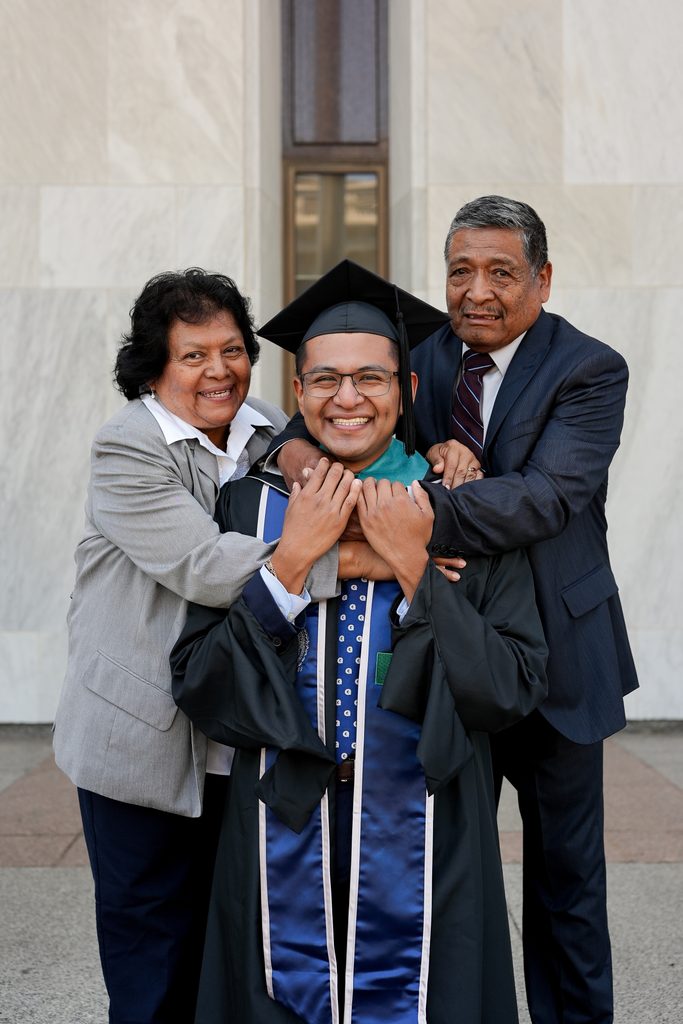
Ramos, a first-generation American, describes his parents as visionaries who built a life for their family “despite total uncertainty and persistent inequities,” modeling collectivism not as a parenting philosophy but as a way of life.
His family’s commitment to service runs back generations. His father comes from a long line of merchants and entrepreneurs, while his maternal grandfather, Abuelito Tobias, led his own community’s fight to secure basic infrastructure and public education.
It was that inherited sense of duty that led Ramos to his first government job, taken with one goal in mind: “to improve access to information and services for people like my parents — hardworking people who deserved basic respect and decency from their government.”
That goal, Ramos says, has guided his entire career: through city halls, through McCourt and into every community he’s called home since. Looking ahead, he hopes to continue building coalitions that advance “shared prosperity” and improve public policy systemically.